How To Choose The Perfect Training Style For You
From strength training to Pilates, here's what each type of workout involves, what you need to get started and which Sweat programs we'd recommend.

December 16, 2016 - Updated October 26, 2026
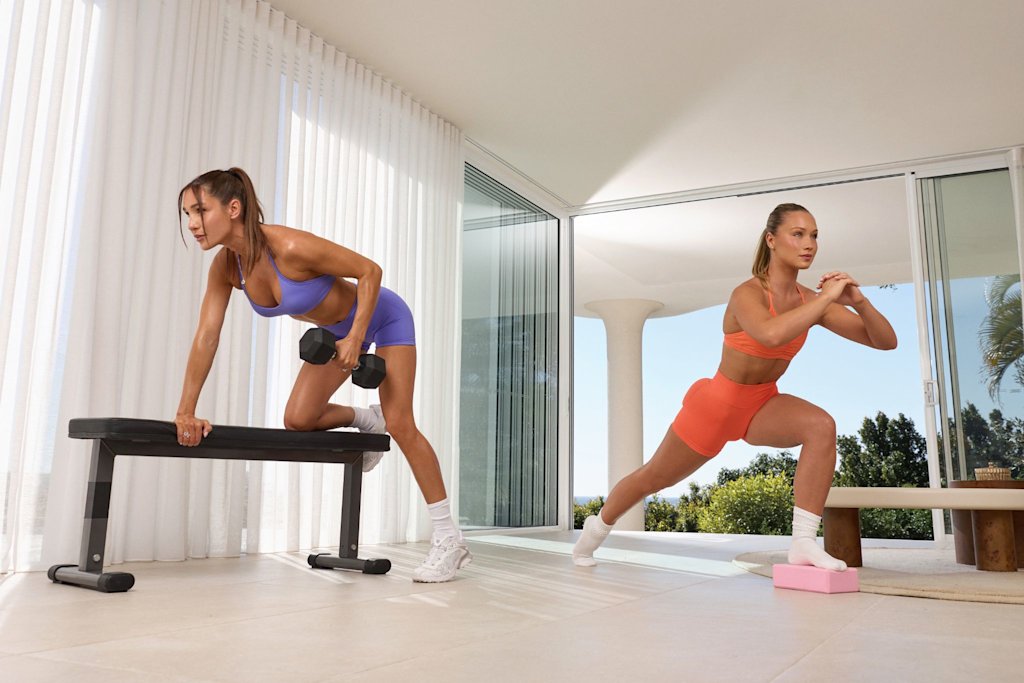
You've scrolled through workout after workout, and you're still not sure what to do.
The "best" type of workout for you is the one you'll actually enjoy and keep doing consistently, but ideally your routine should include some strength training at least twice a week, plus some cardio you like.
There are plenty of programs in the Sweat app, but you also don't need a program to get started. A brisk walk counts, and so does a 10-minute bodyweight workout from the On Demand tab. A program helps when you want structure, progression and someone else doing the planning.
If you already know what you want out of your workouts, the table below matches your goal to a training style and a program to start with.
Which type of workout suits your goal?
We've picked out some of our most popular programs, so you can use this as a guide or starting point. There are plenty of other options in the Sweat app!
| If you want to... | Try this style | Start with |
|---|---|---|
| Get stronger and build muscle at the gym | Strength training | Strength with Kayla, Grow with Mariah |
| Get stronger and build muscle at home | Strength training | Strength at Home with Kayla |
| Build strength at home in 30 minutes | Strength training | Strength In 30, Ignite Strength with Britany |
| Get fit fast with short, sweaty sessions | High-intensity interval training (HIIT) | OG Kayla, High Intensity with Kayla |
| Train with no equipment at all | High-intensity (bodyweight) | Zero Equipment with Kayla |
| Lift heavier with a barbell | Lifting | Lift with Laura |
| Improve core strength and control | Pilates | Precision Pilates, Strength & Pilates |
| Work hard without jumping | Low impact or barre | Low Impact with Kayla, Barre with Britany |
| Start running (or run stronger) | Running | Ignite Running, Run Stronger |
| Move more freely and feel less stiff | Mobility | Mobility & Strength in Motion |
| Stay strong through perimenopause or menopause | Strength training | Perimenopause Strong, Menopause Strong (or any strength program!) |
| Build a habit when life is busy | Short low-impact sessions | The Daily 10 Challenge |
| Exercise during pregnancy | Pregnancy-specific workouts | Pregnancy with Kayla, Pregnancy Barre with Brit |
| Exercise after pregnancy | Postnatal-specific workouts | Post-Pregnancy with Kayla, Post-Pregnancy with Sarah |
Strength training: the foundation we'd build every week around
Strength training (aka resistance training) means working your muscles against resistance, whether that's dumbbells, a barbell, gym machines, resistance bands or your own bodyweight. If you only pick one type of workout, we'd make it this one.
What it's good for: building muscle and strength, supporting bone health and making everyday life easier, from carrying shopping bags to lifting furniture or a toddler. Harvard Health notes that strong muscles lead to strong bones, which can help lower the risk of osteoporosis-related fractures. The CDC recommends muscle-strengthening activity at least two days a week for adults. And if you want more muscle definition or "tone," you achieve that by building muscle through strength training too.
What you'll need: it all depends on the workout or program. Some need only a few dumbbells and a bench at home, while others are designed for a fully equipped gym. If you're missing something, you can swap most exercises in the Sweat app.
Programs to try:
Strength with Kayla: five 40-60 minute gym workouts a week using muscle group splits (like glutes and hamstrings, or upper body push).
Strength at Home with Kayla: the same structure, adapted for a home setup with 35-50 minute workouts.
Strength In 30: three 30-minute workouts a week using free weights only, so it works at home or in a busy gym.
Ignite Strength with Britany: 30-minute workouts with minimal equipment, designed for beginner to intermediate fitness levels. A great first strength program.
Grow with Mariah: a 24-week hypertrophy (muscle-building) program for the gym, for women who already feel comfortable lifting and want to level up.
Sculpt at Home: three 35-40 minute home workouts a week that pair exercises back-to-back to make lighter weights feel challenging.
Strength training for perimenopause and menopause: if you're in this stage of life, any strength program is great as the key training principles still apply, but if you want a program more tailored to where you're at, try Perimenopause Strong or Menopause Strong. They are 18-week strength programs with two to three workouts a week, an optional Foundations block for beginners and an educational series with Sheridan Skye. Find out more here.
High-intensity interval training: big results in short sessions
High-intensity interval training means working hard in short bursts, with brief rest in between. The aim is to really push yourself in those working intervals to reap the benefits.
What it's good for: improving your cardio fitness and strength at the same time, with short but intense workouts usually 30 minutes or less. It's a great fit if your week is packed and you'd rather work hard for half an hour than steadily for an hour.
What you'll need: depending on the workout, you might need just a yoga mat, or you may need some equipment.
Good to know: HIIT often includes plyometrics (jumping exercises), which can be tough on your joints and your downstairs neighbours. If you're new to exercise, choose a program with beginner weeks and ease in. If you live in an upstairs apartment, low impact might suit you better. Due to its intensity, we also don't recommend doing HIIT more than 2-3 times per week as your body needs to recover. Pay attention to how HIIT makes you feel during and after your sessions to decide if it's right for you.
Programs to try:
OG Kayla: Kayla's original high-intensity program. Three 28-minute workouts a week that you can do at home or in the gym.
Zero Equipment with Kayla: bodyweight-only workouts in 30 minutes or less, with four optional beginner weeks.
High Intensity Strength with Kayla: If you love HIIT workouts but want heavier weights, try this program for a blend of the two.

Lifting: for when you want to lift heavier
Lifting programs are strength training with a bigger focus on heavy compound lifts (exercises that use several muscle groups at once), like the deadlift, bench press and squat. Powerbuilding combines this kind of heavy lifting with lighter, higher-rep accessory exercises to build muscle size too.
What it's good for: getting measurably stronger with classic exercises. You'll often track your main lifts and watch the numbers go up week to week, which is a really satisfying way to see progress that has nothing to do with the scales.
What you'll need: a gym, or a well-equipped home gym with a barbell, weight plates, a rack and a bench.
Good to know: these programs assume you're comfortable with basic strength exercises and equipment. If you're new to weights, start with Ignite Strength or Strength In 30 first and come back here.
Programs to try:
Lift with Laura: 18 weeks of heavy compound lifts plus accessory work, with an optional Lifting Foundations session.
Grow with Mariah: a 24-week hypertrophy (muscle-building) program for the gym.
Lifting Masterclass Challenge: a four-week challenge introducing Olympic-style lifts like snatches.
Pilates: core strength and control without the impact
Pilates is a low-impact training style that focuses on slow, controlled movements, breathing and core strength. You'll often hold positions or move through small ranges with a lot of focus, so expect to feel muscles you didn't know you had. In the Sweat app, Pilates is led by Jetaya Guthmann-Chester, whose mat-based programs are rooted in technique, with real-time coaching cues for every rep.
What it's good for: core strength, posture, balance and muscular endurance. It's also a great complement to strength training, which is why several of our most popular programs combine the two.
What you'll need: a mat for most sessions. Some programs add a Pilates ball, Pilates block, resistance bands or light hand weights.
Good to know: Pilates is fantastic, but on its own it won't build as much strength as lifting progressively heavier weights. If strength is your goal, pair it with a strength program, or choose one of the hybrid programs below.
Programs to try:
Precision Pilates: Jetaya's six-week mat Pilates program with three fully guided video workouts a week. She's on the mat with you for every rep, so it's a great place to start if you're new to Pilates.
Strength & Pilates: Jetaya teams up with Kayla for six weeks of two strength and two Pilates workouts a week, designed for training at home.
Strength & Pilates Fusion: if you train in a gym, Katie's program combines strength training and Pilates in three 40-50 minute workouts a week.
The 3-2-1 Method: three strength sessions, two Pilates sessions and one cardio session each week. This program has been a community favourite for years!
Barre: high-rep, low-impact and a lot of fun
Barre is a hybrid training style that combines elements of ballet, Pilates and strength training. You'll use small, controlled movements, high reps and light weights, often holding a chair, table or ledge for balance. Expect lots of shakes and that intense burn.
What it's good for: muscular endurance, posture, balance and coordination, all without jumping. It's a great option if you love variety and upbeat workouts but want to go easy on your joints.
What you'll need: something to hold for support (like a chair, table or kitchen bench), light dumbbells and resistance bands. You can easily do it in a small space at home.
Programs to try:
Barre with Britany: three to four 30-40 minute workouts a week, with two foundation weeks to learn the basics.
Total Body Barre: three full-body barre workouts a week in 30-35 minutes, plus two optional express sessions.
Strength & Barre with Britany: four 35-45 minute workouts a week that mix strength training and barre if you want a hybrid program.
High Intensity Barre with Britany: a faster-paced take on barre in 35 minutes or less.
Low-impact training: a strong workout without the jumping
Low-impact training just means it's easy on your joints with no jumping or high-impact exercises. A lot of people hear "low impact" and think it means it's easy, but low-impact and low-intensity aren't the same. You can still have a really challenging low-impact workout by lifting heavy weights, doing Pilates or doing cardio like cycling or rowing.
Most Sweat programs include low-intensity cardio sessions alongside your workouts, and they count toward the CDC's recommended 150 minutes of moderate activity a week.
What it's good for: building strength and fitness while going easier on your joints. It's a smart choice if you're returning after a break, carrying an injury (with your doctor's okay), training in an upstairs apartment or simply don't enjoy jumping or running.
What you'll need: depending on your program, you might just need a yoga mat or you may need a range of equipment.
Programs to try:
Strength with Kayla: five 40-60 minute gym workouts a week using muscle group splits (like glutes and hamstrings, or upper body push).
Strength at Home with Kayla: the same structure, adapted for a home setup with 35-50 minute workouts.
Strength In 30: three 30-minute workouts a week using free weights only, so it works at home or in a busy gym
Sculpt at Home: three 35-40 minute home workouts a week that pair exercises back-to-back to make lighter weights feel challenging.
Running: build your endurance (and get stronger doing it)
Running is one of the simplest ways to build cardio fitness, and you can do it almost anywhere. Our running programs pair audio-guided runs with running-specific strength training, because stronger legs, hips and core can help you run more efficiently.
What it's good for: cardio fitness, endurance and stress relief. It's also great if you want a clear goal to work towards, like your first 5K or 10K.
What you'll need: supportive running shoes, plus a few basics like dumbbells and resistance bands for the strength sessions.
Programs to try:
Ignite Running: Britany's 12-week program for beginners, with guided runs, interval runs and full-body strength workouts.
Run Stronger: Katie's 12-week program for runners who already run regularly, with two strength sessions and guided runs each week.

Mobility and yoga: move more freely and recover better
Mobility training improves how well your joints move through their full range of motion, using a mix of active stretching and strength work. Yoga links movement with breathing and ranges from fast-paced Vinyasa flows to slow, relaxing sessions.
What it's good for: feeling less stiff, moving better in your other workouts and giving your body and mind a break.
What you'll need: a mat for yoga. Some mobility programs use gym equipment and machines.
Programs to try:
Mobility & Strength in Motion: a six-week gym program combining mobility and strength in four 30-45 minute workouts a week.
You'll also find plenty of yoga, stretching and recovery sessions in the On Demand section of the Sweat app, which are easy to add to any program on your rest days.
Pregnancy and post-pregnancy: safe, supportive programs for every stage
These aren't training styles as such, but they're some of the most important and popular programs we offer. Each is designed by trainers (who are also mothers!) with pre and postnatal qualifications who understand how your body changes during and after pregnancy. Always get clearance from your healthcare provider before starting any of these programs.
During pregnancy:
Pregnancy with Kayla: a 40-week low-impact program with workouts tailored to each trimester. All sessions are optional.
Pregnancy with Sarah: 40 weeks of 20-30 minute workouts focused on strength and mobility, with minimal equipment.
Pregnancy Barre with Britany: nine weeks of low-intensity barre workouts for each trimester.
After pregnancy:
Post-Pregnancy with Sarah: 20 weeks to help you return to exercise, with a focus on your pelvic floor and core.
Post-Pregnancy with Kayla: a 16-week program to rebuild strength and fitness once you've been cleared to exercise.
Post Pregnancy Core & Restore: 12 weeks of breathwork, posture and core training, suitable months or even years after giving birth.
Post-Pregnancy Level Up: with four 30-45 minute strength workouts a week, this is the perfect next step when you're working out again after pregnancy but still don't feel quite ready for a full strength program yet.
How to choose the right type of workout for you
We recommend starting with these three questions, in this order:
What do you enjoy? Enjoyment is a completely legitimate reason to choose a workout. You'll get more from a program you do three times a week than a "better" one you skip. If you don't know, try a few different workouts to get a feel for them first!
Where will you train, and how much time do you have? 30 minutes on your lunch break with a set of dumbbells at home points to a different program than an hour after work at a fully equipped gym.
What's your goal? Use the table near the top of this article to match your goal to a style.
Can I do more than one type of workout?
Yes, and we encourage it! The two main types of training we recommend ticking off each week are strength training and cardio. A simple, balanced week for most people looks like two to three strength sessions, one or two cardio sessions and some mobility or stretching. So that could look like gym workouts and outdoor jogs, or dumbbell workouts at home with walking. If you want even more variety in your training, we love hybrid programs like Strength & Pilates and The 3-2-1 Method, or you can add On Demand workouts to any program.
What's the best type of workout for beginners?
For most beginners, we'd start with a low-impact or beginner-friendly strength program, like Ignite Strength with Britany, Low Impact with Kayla or The Daily 10 Challenge. Many programs also include optional beginner or foundation weeks. If you're just starting to work out, it's completely normal for the first few weeks to feel hard but stick with it! Everyone was a beginner once.
Can I work out at home or do I need a gym?
You can absolutely work out at home. Programs like Strength at Home with Kayla, Strength in 30, Ignite Strength and Sculpt At Home are designed for it. If you're missing a piece of equipment, you can update your equipment profile and swap exercises in the Sweat app.
What if I pick the wrong program?
Then you switch. You can change programs in the Sweat app at any time.
Find the workout you'll want to come back to
The best workout routine for you is the one that fits your goals, your space, your schedule, and most importantly, what you enjoy.
Not ready to commit to a program? Try a few different styles with individual workouts from the On Demand section of the Sweat app, and notice which ones you finish wanting more of!
A more empowered you starts with Sweat, and our editorial team is here to bring you the latest fitness tips, trainer recommendations, wellbeing news, nutritional advice, nourishing recipes and free workouts.
* Disclaimer: This blog post is not intended to replace the advice of a medical professional. The above information should not be used to diagnose, treat, or prevent any disease or medical condition. Please consult your doctor before making any changes to your diet, sleep methods, daily activity, or fitness routine. Sweat assumes no responsibility for any personal injury or damage sustained by any recommendations, opinions, or advice given in this article.
Fitness